Project Title: Access+ EU

Duration: 24 months (September 2023- August 2026)

Donor: European Commission, Erasmus plus Programme
Description: The project aims at providing youth workers with essential tools to foster inclusive environments. Involving youth workers in the project enhances capacity within the sphere of disability support and education. Equipped with practical expertise, youth workers can elevate the quality of care and education they offer during their daily working activity and make it durable in time.

Through the blended training of trainers, youth workers gain hands-on experience in effectively engaging and assisting individuals with disabilities. This new expertise improves their ability to manage inclusive programs and services.The project also bridges the gap between youth workers and individuals with disabilities. In fact, through the focus groups and the technical visits to specialised centres, we aim at connecting youth workers with professionals already working with disabilities. In this way, we want to create a deep connection with those who have a solid experience in the field of youth with disabilities and that are trained to transmit this kind of expertise.

The main objectives that we would like to achieve through the implementation of the project are:
– to build the capacity of youth educators and partner organisations in working with people with disabilities, especially with
the use of e-learning and gamification methods.
– to bridge the gap between youth workers and people already involved in working with disabilities, making them meet in
person
– to train youth workers.

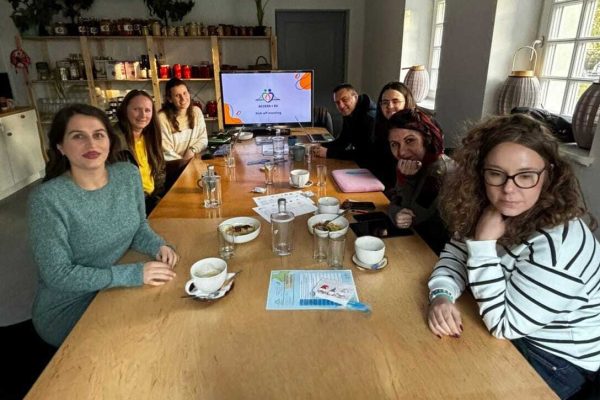
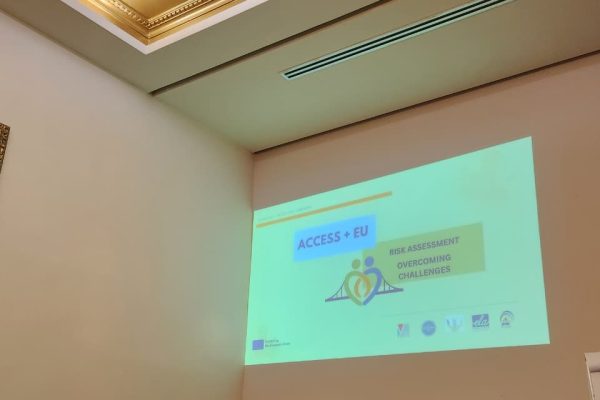
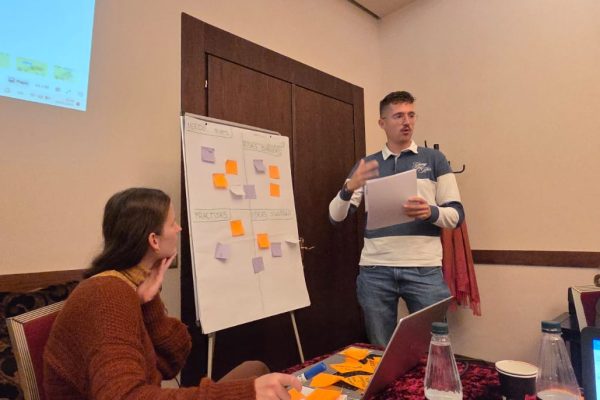
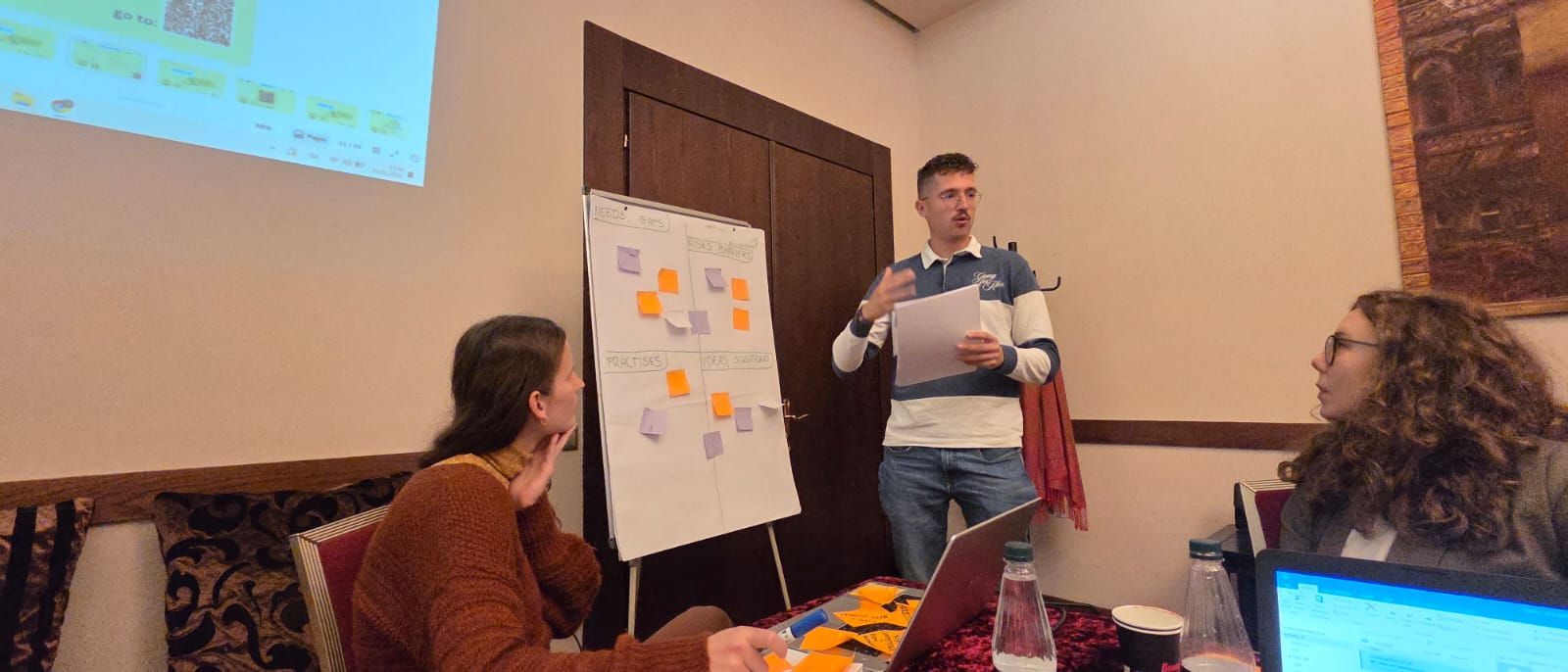
On November 5-6, 2024, the first kick of meeting with the partners of this project took place in Wroclaw, Poland.

Its general objectives are:

🟠 Promoting Inclusivity in Youth Work: To raise awareness about barriers faced by young people with disabilities and empower youth workers to break down those barriers.
🟠 Enhancing Professional Development: To improve youth workers’ abilities by providing comprehensive training on supporting individuals with disabilities in Erasmus+ projects.
🟠 Fostering Cross-Sector Collaboration: To establish strongties between youth workers and disability professionals,ensuring that expertise from the disability sector is integrated into youth work.
🟠 Sustainability and Transferability: To create resources and practices that can be sustained and transferred across Europe, ensuring long-term inclusivity in youth work.

This project is funded by the European Union

TPM, Sarajevo, Bosnia and Herzegovina

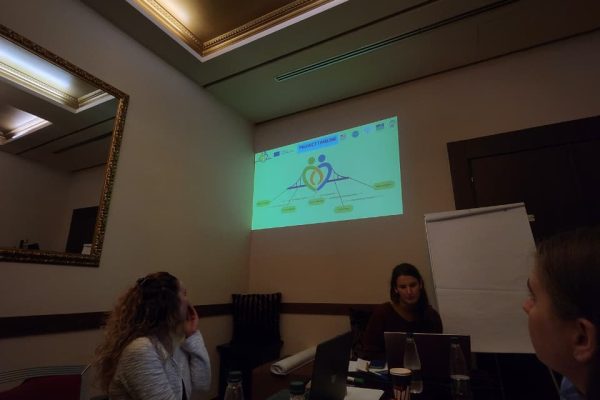
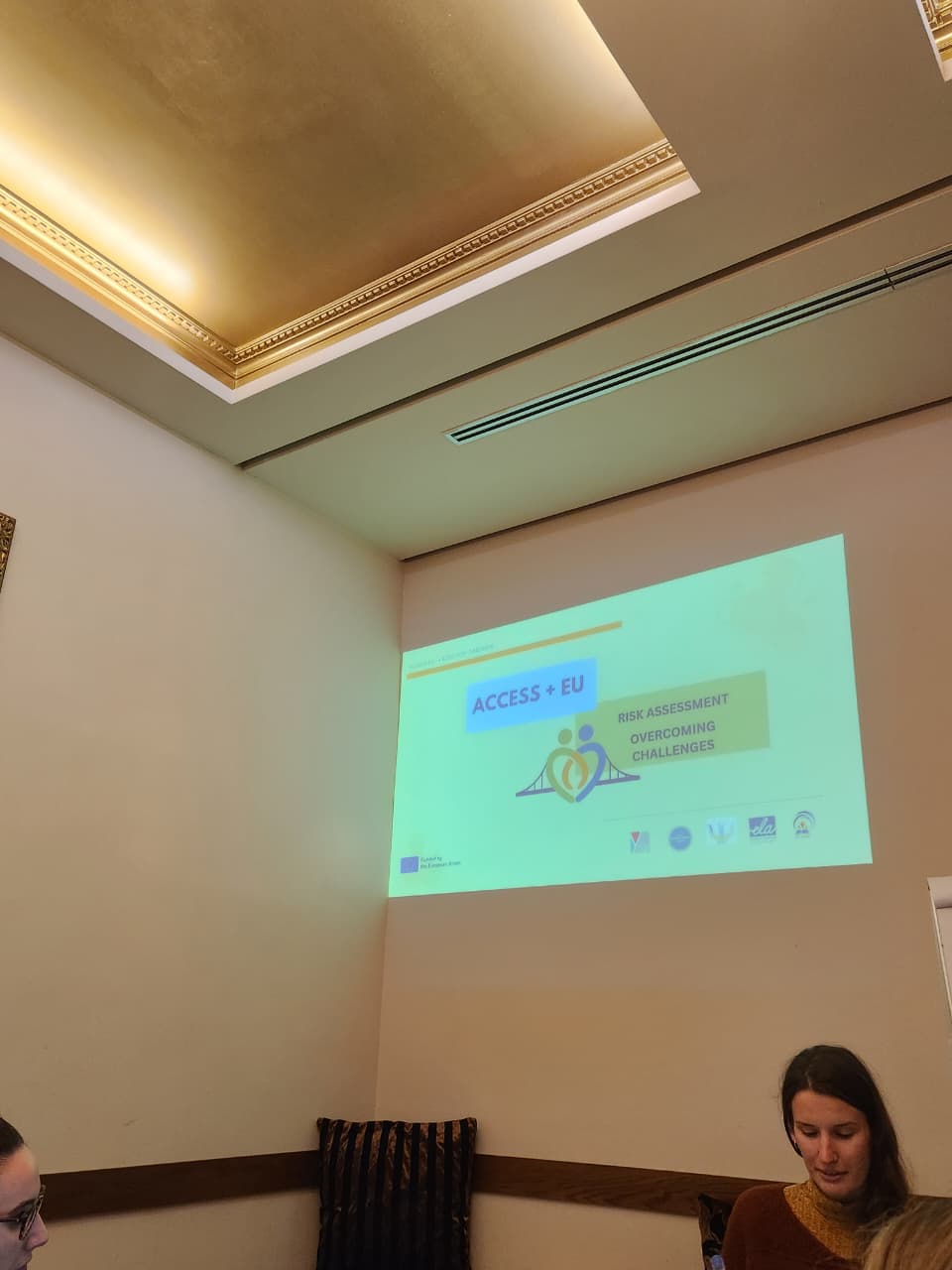
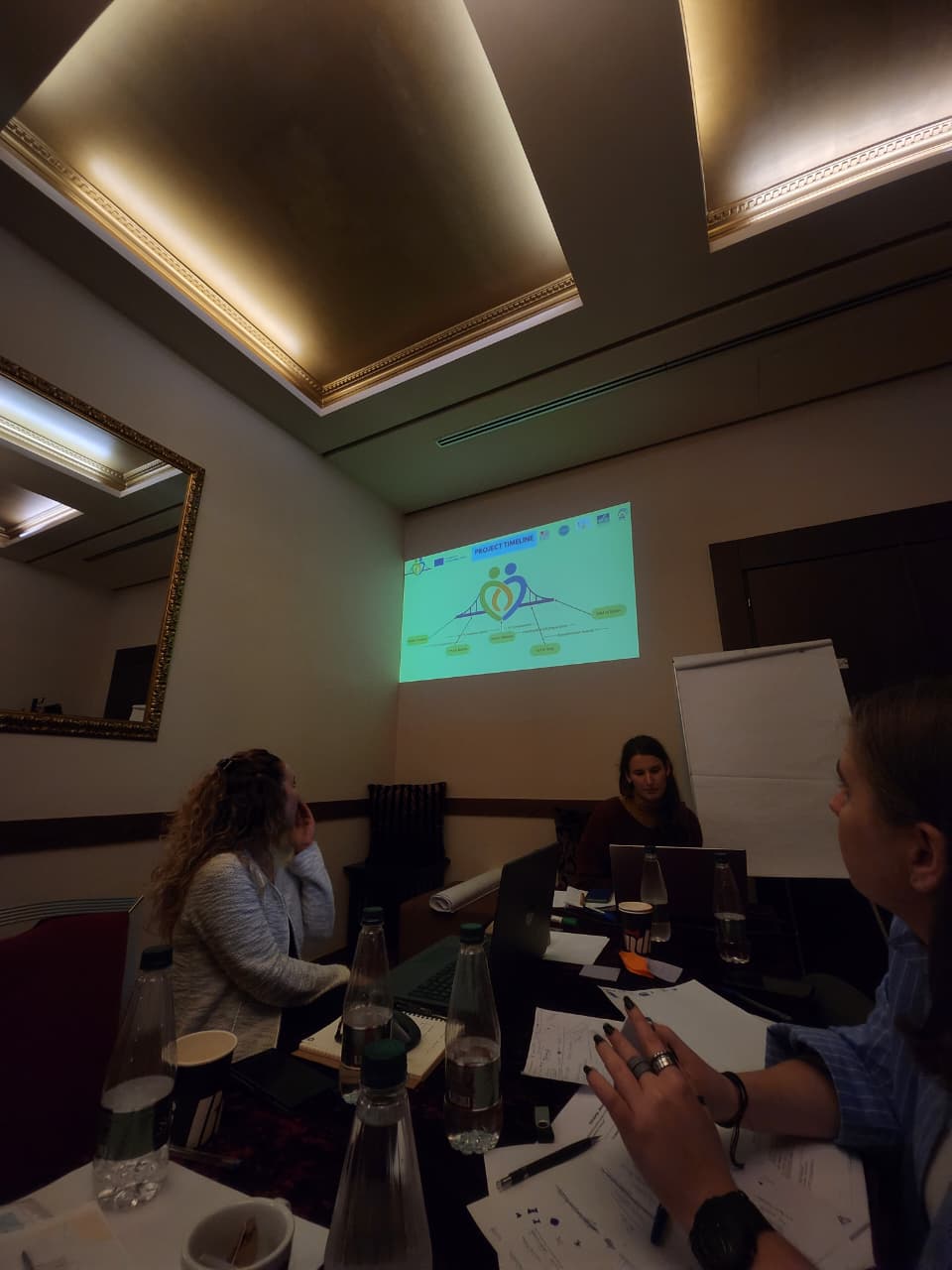
 ACT Center participated on March 11-12, 2025, in the transnational meeting held in Sarajevo, Bosnia and Herzegovina, where the continuation of the ACCESS+ EU project was discussed.

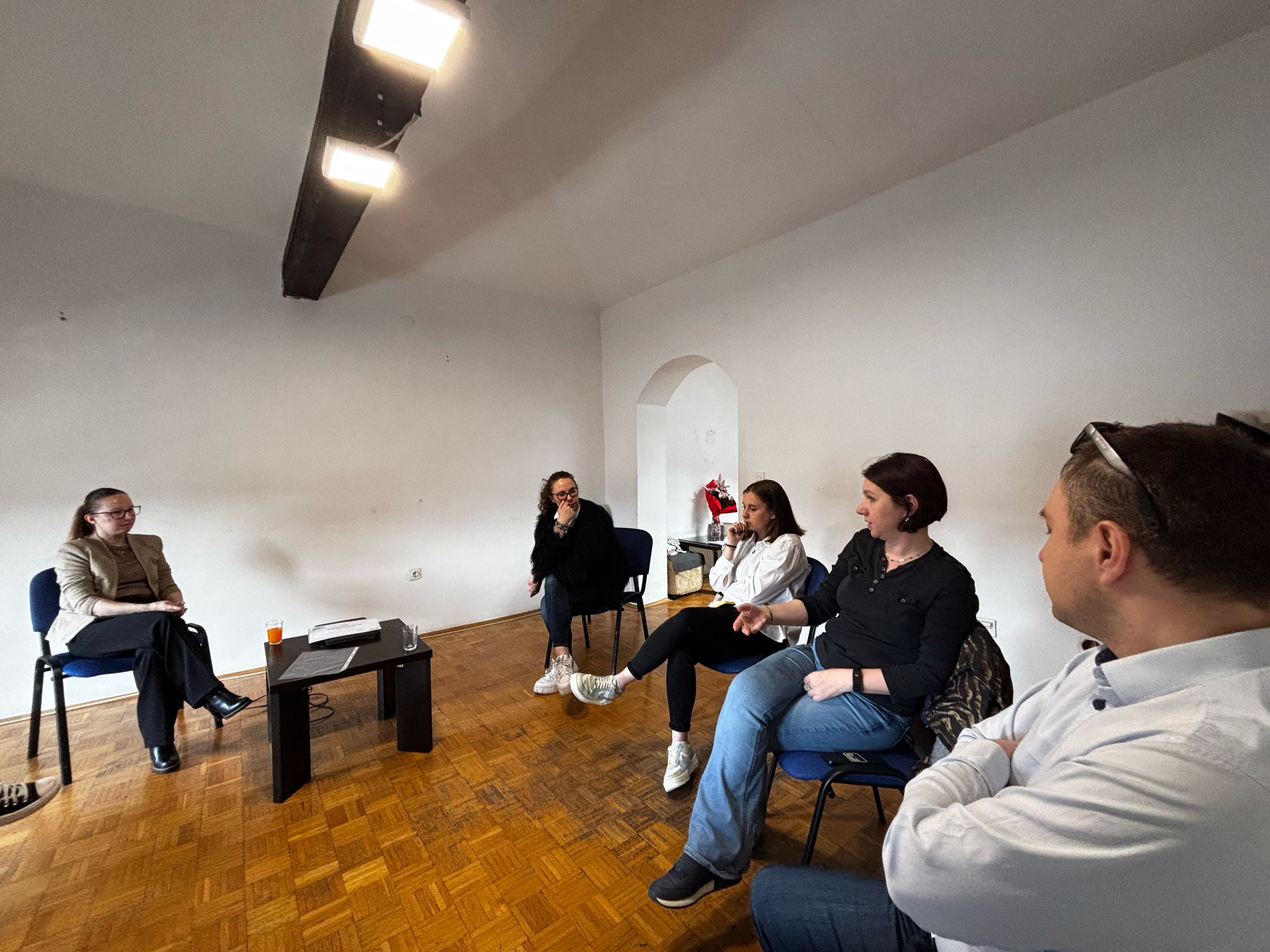
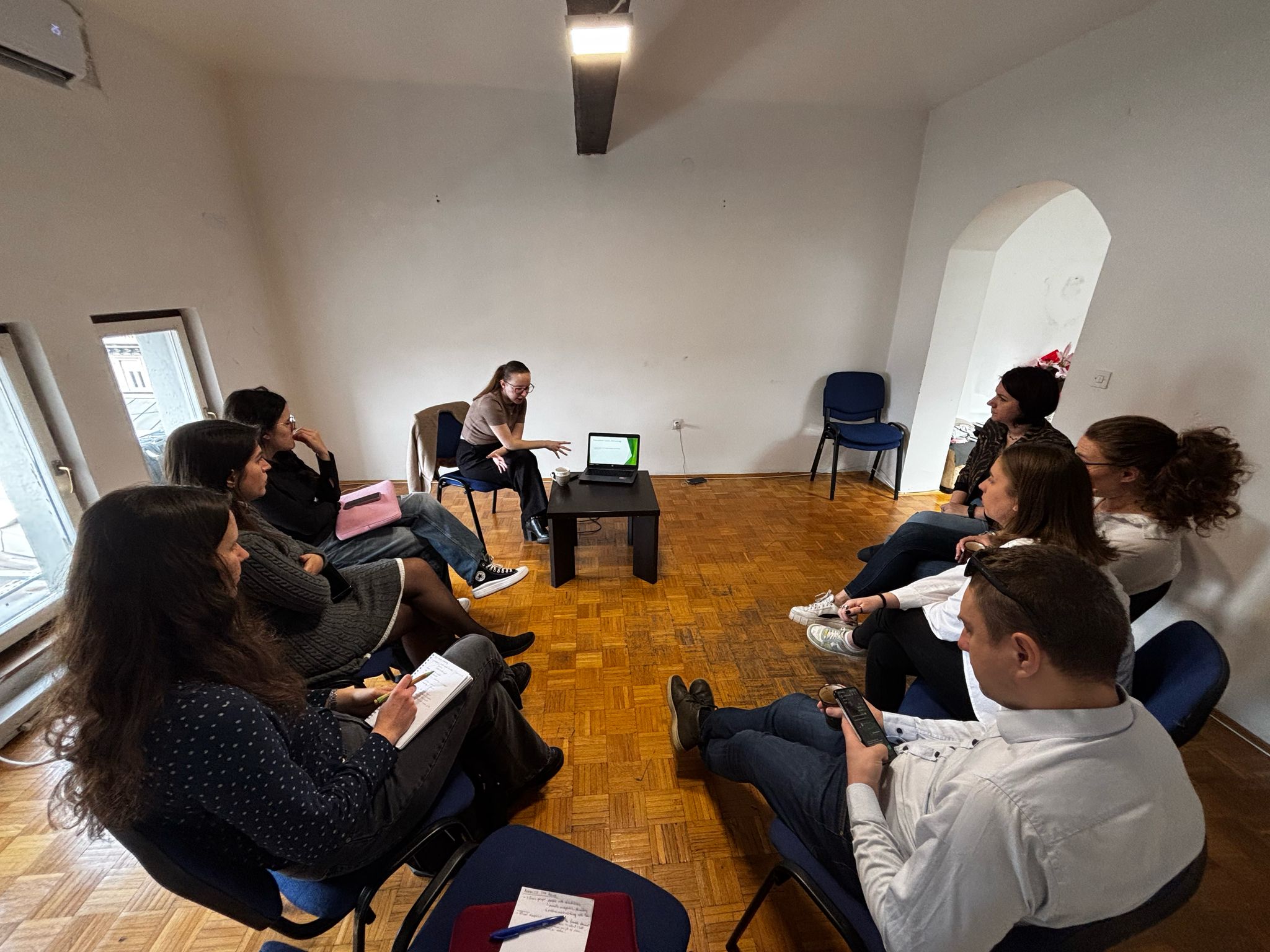
During this meeting, ACT Center presented the methodology it developed to conduct 3 focus groups and technical visits to institutions focusing on disability.
Soon, we will publish a call for those who wish to participate in the focus groups or technical visits.
As part of this project, we will send 3 professionals to Italy for free training on disability.

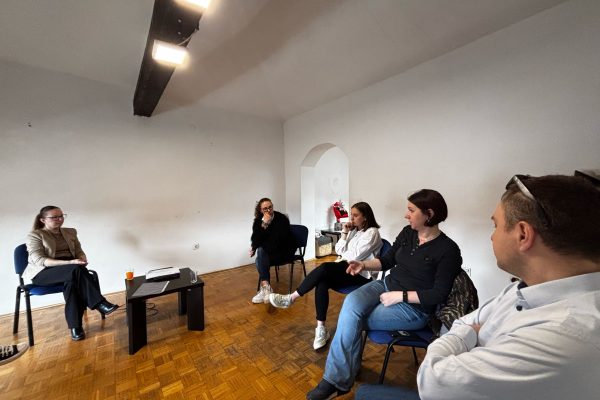
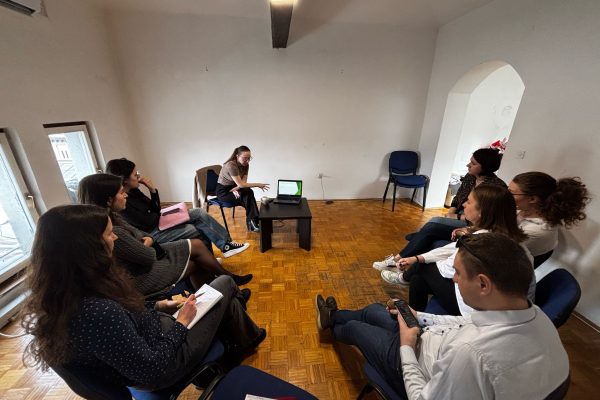
On November 12, 2025, from 09:00 – 14:00, a workshop was held on the topic: Integration of interpersonal skills in VET (Vocational Education and Training) curricula. The following participated in this workshop: 2 Staff members from ACT Center and 4 Vocational Training Professionals. The goal of this workshop is the improvement of VET curricula by enriching them with essential skills, in order to prepare more sought-after and well-rounded professionals for the labor market.

On November 18, 2025, from 09:00 – 14:00, the workshop with the theme: Best practices for inclusion in vocational education was held. The following participated in this workshop: 2 Staff members from the ACT Center and 4 Vocational Training Professionals. The goal of this workshop is the adoption of best practices to ensure equal access, participation, and success for all students in vocational education and training.

The staff of the ACT Center participated in the workshop, which was held online on December 4th and 5th, 2025, within the framework of the Report project. This workshop aimed to prepare the development teams to develop the curricula and training materials for three different training programs.

Final Evaluation Meeting – Tenerife, Spain

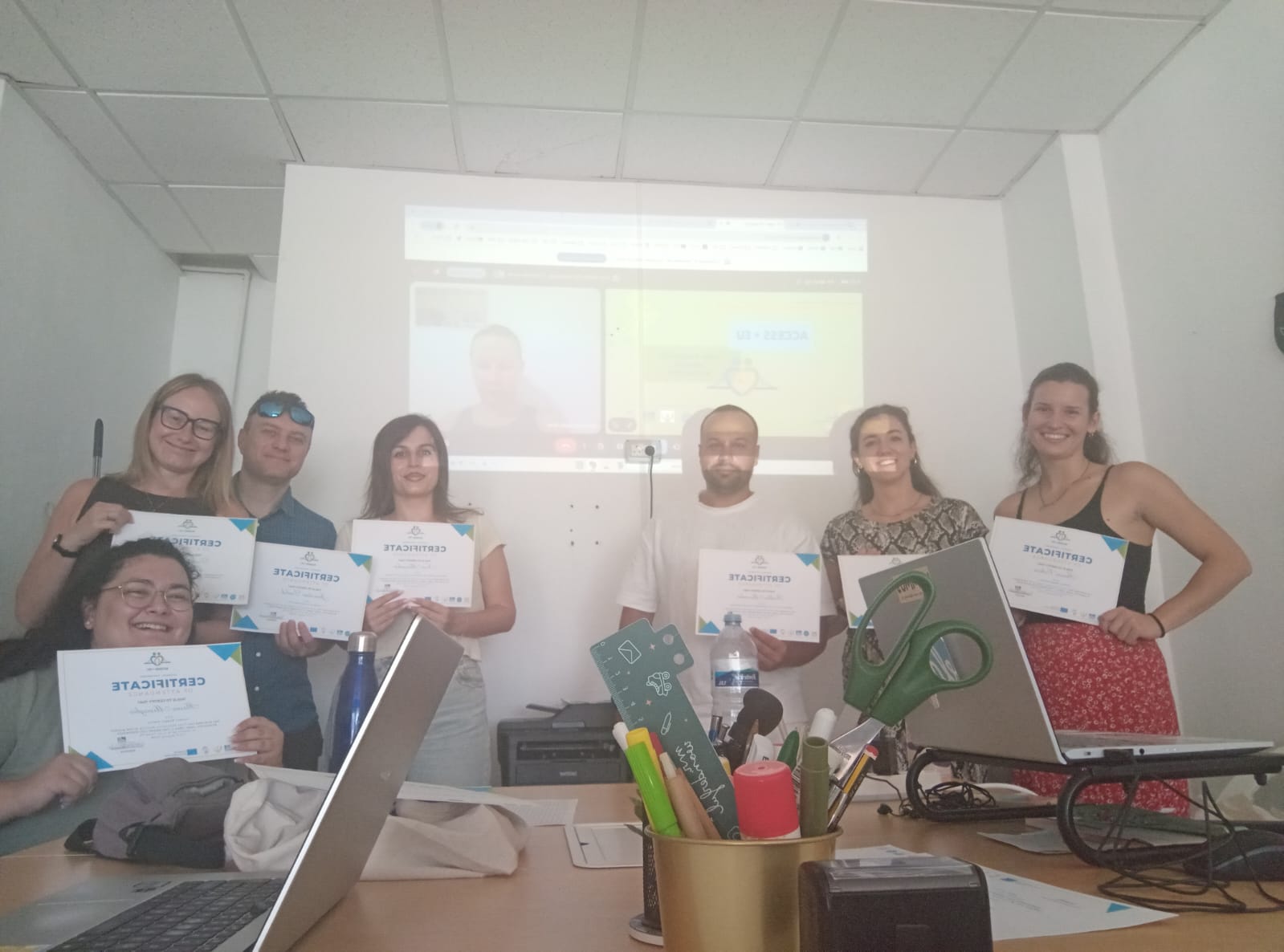
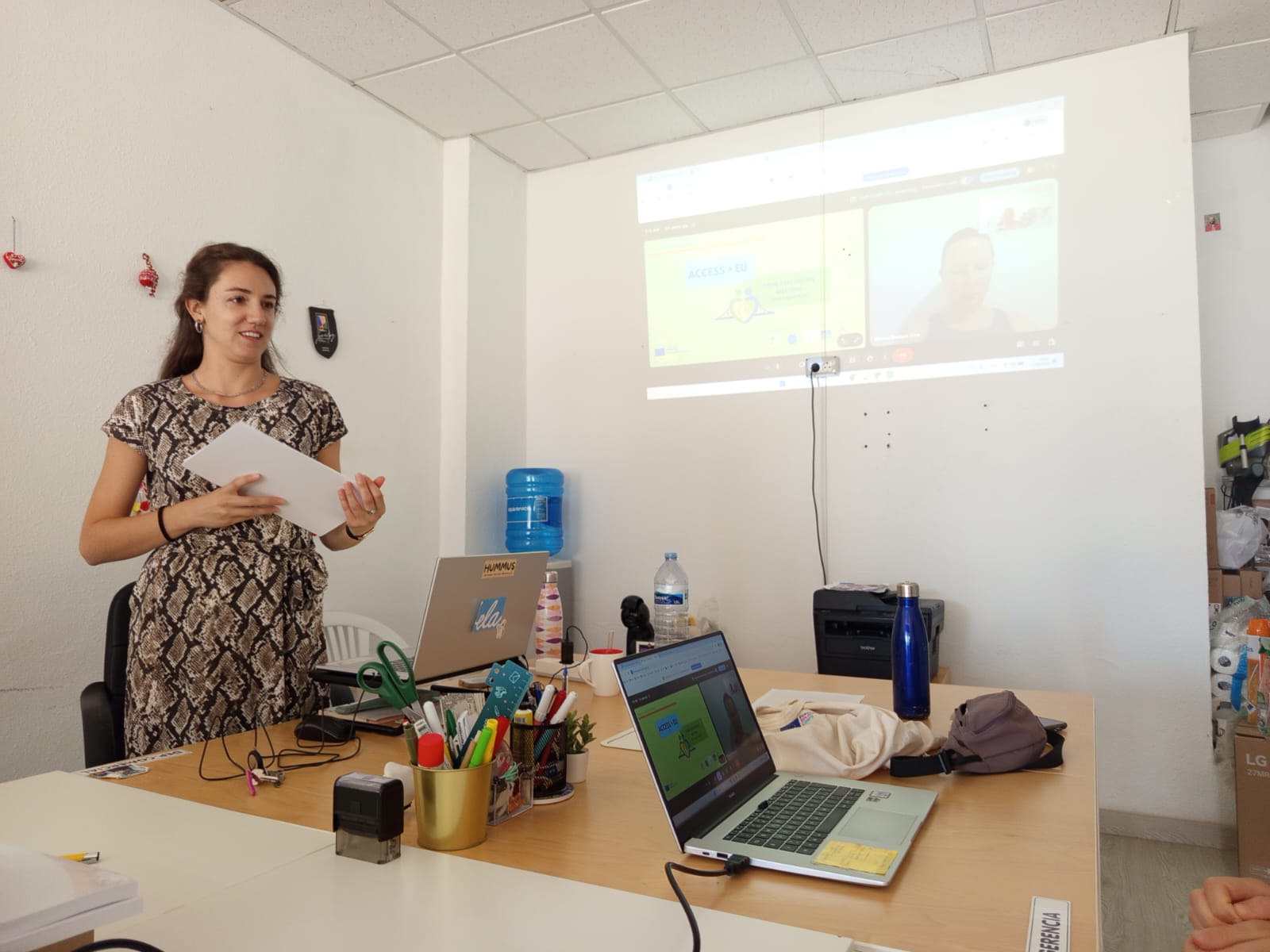
On 10–11 August 2026, ACT Center participated in the Final Evaluation Meeting held in Puerto de la Cruz, Tenerife, Spain. The project officially comes to an end in August 2026, and we are very happy to have been part of such a positive, collaborative and committed consortium. Thanks to strong coordination and teamwork, we have successfully completed our deliverables on time and achieved the main objectives of the project.

Thank you, younetit , and all our partners for this wonderful journey!

FOCUS GROUPS

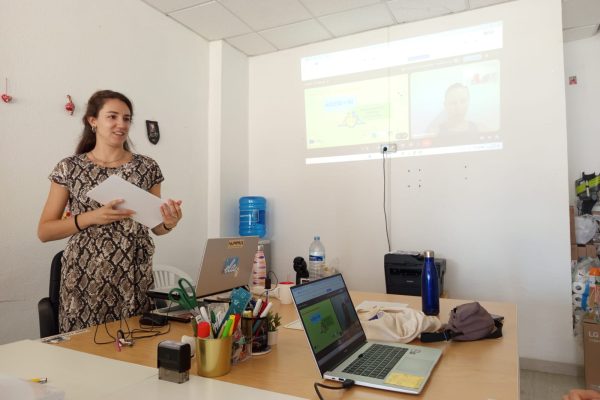
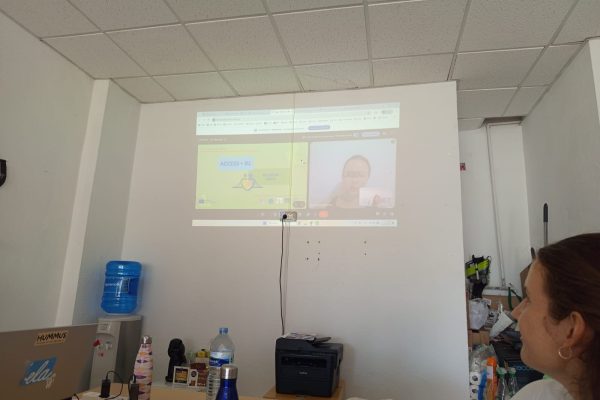
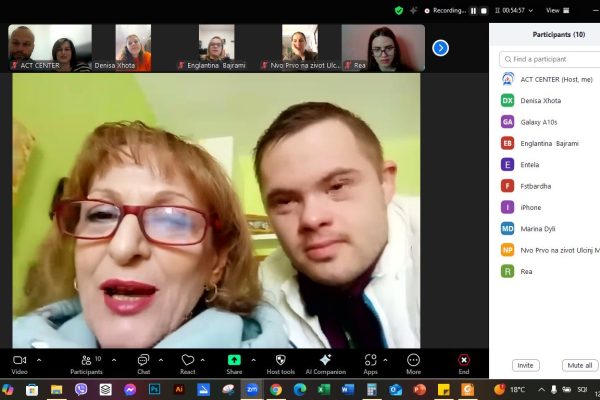
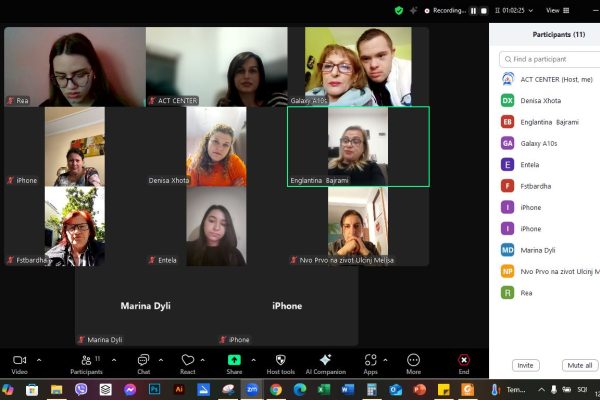
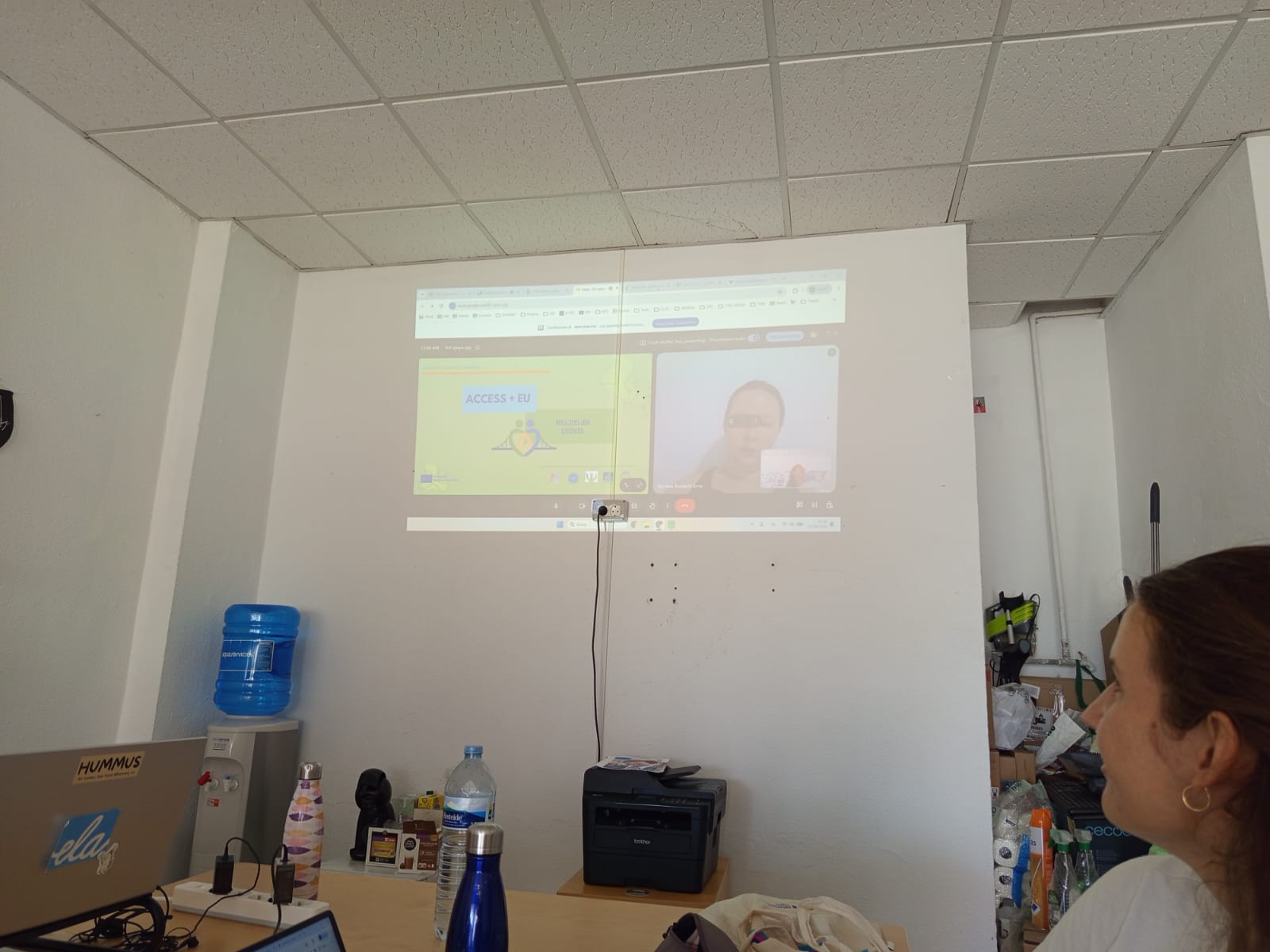
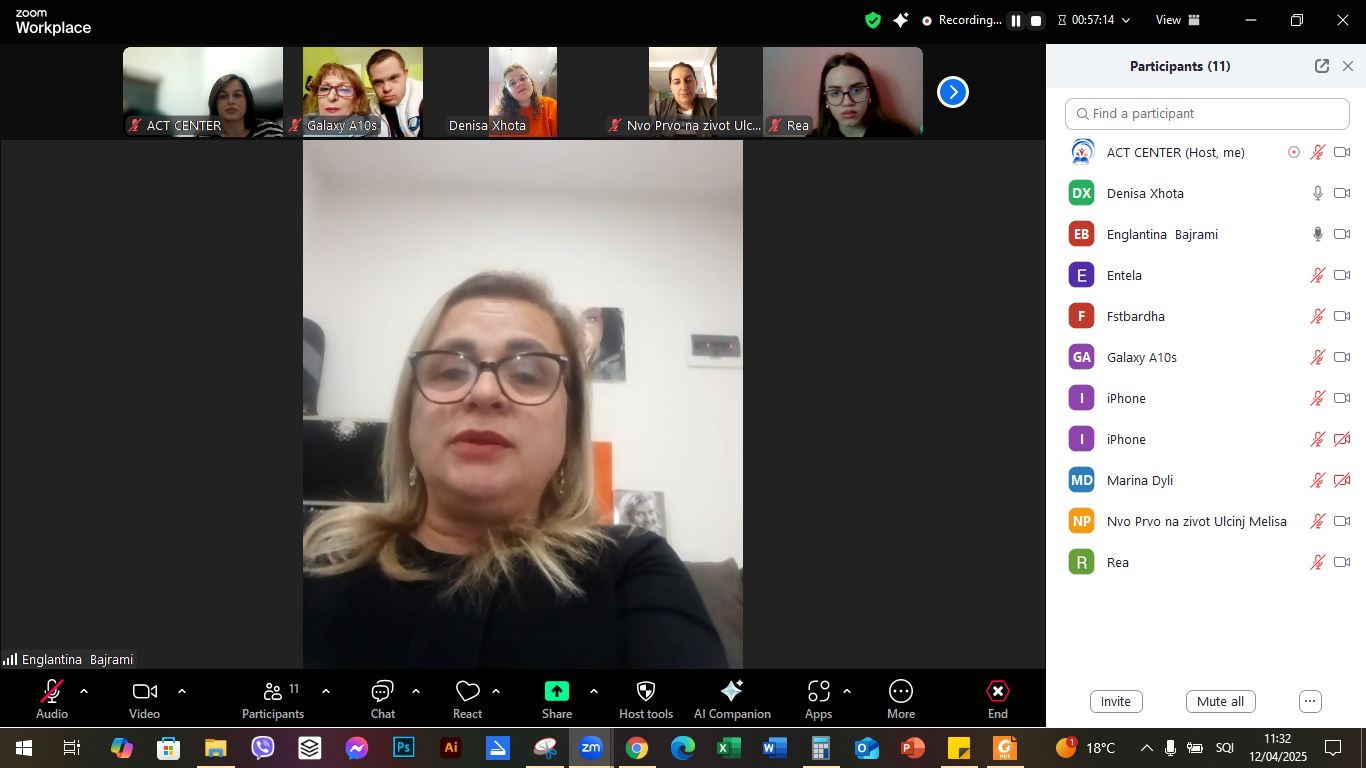
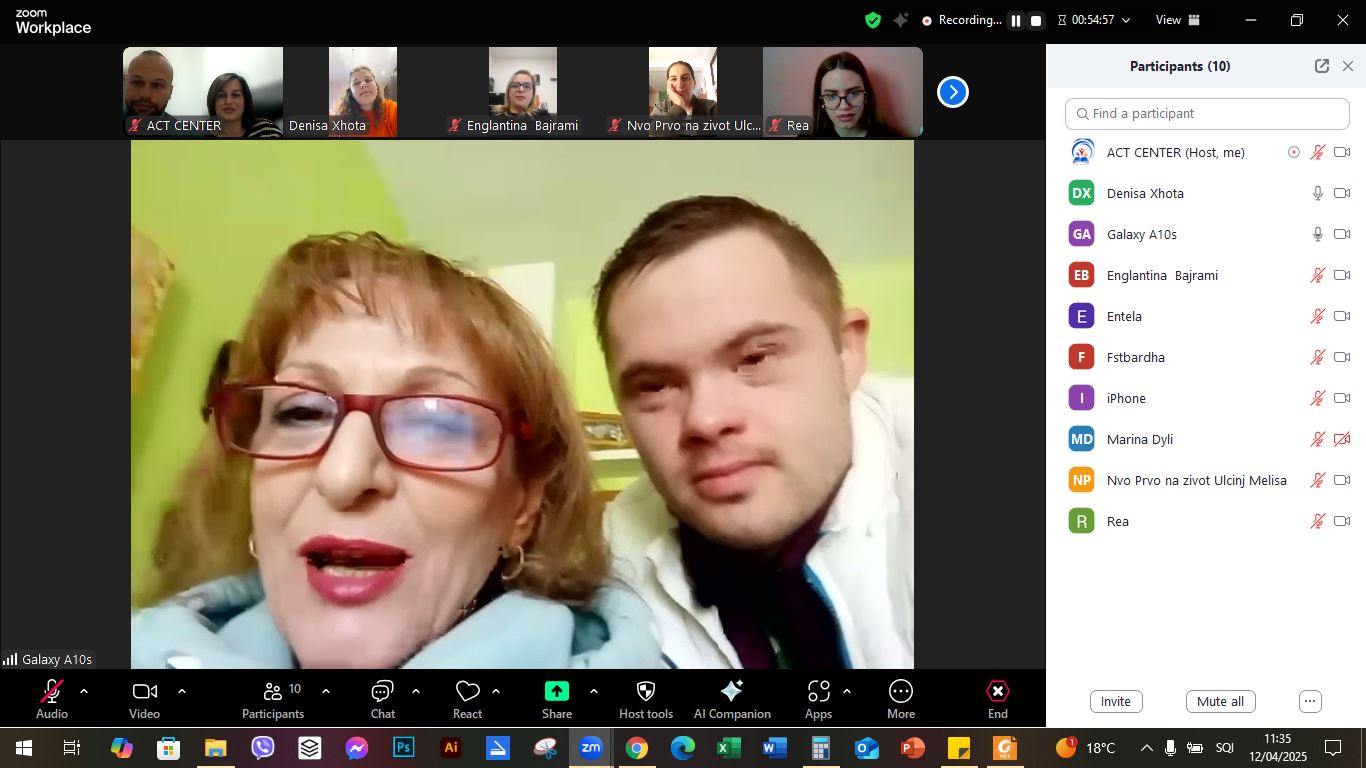
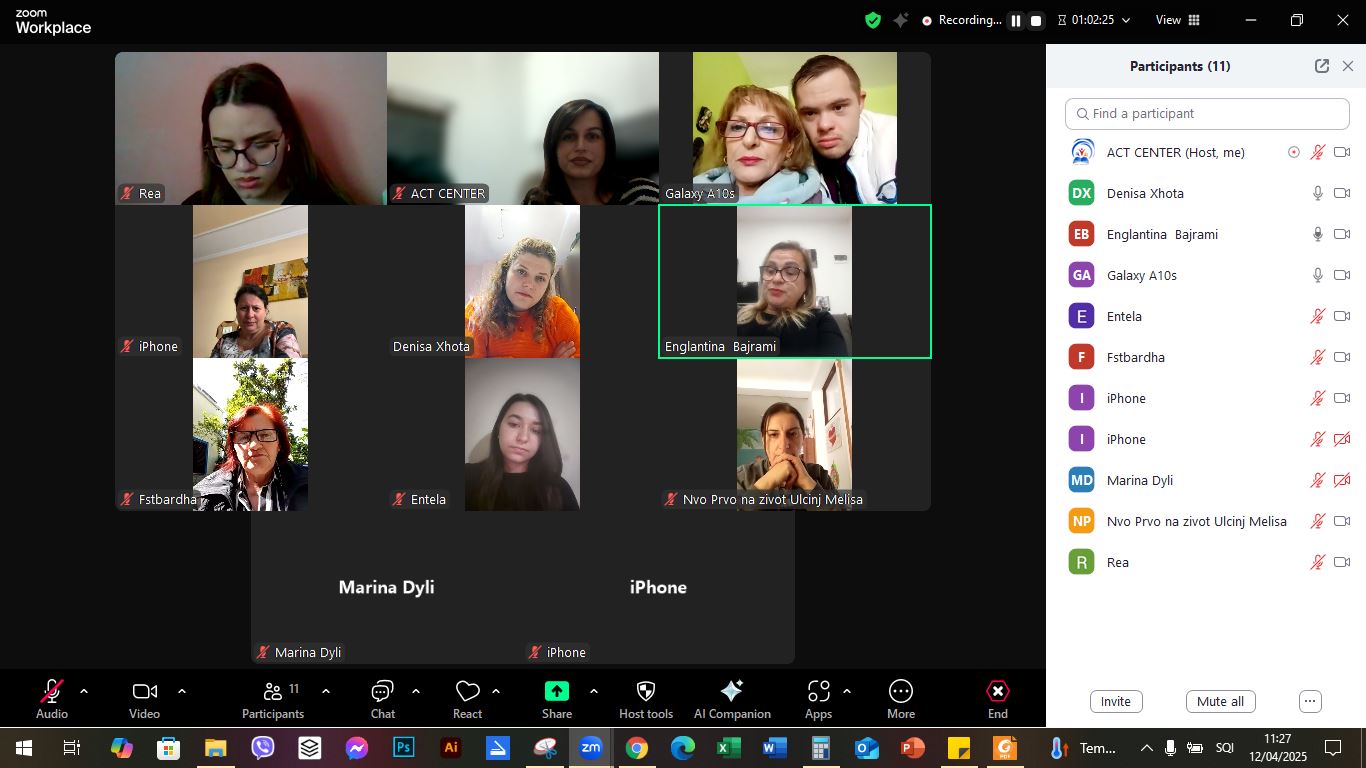
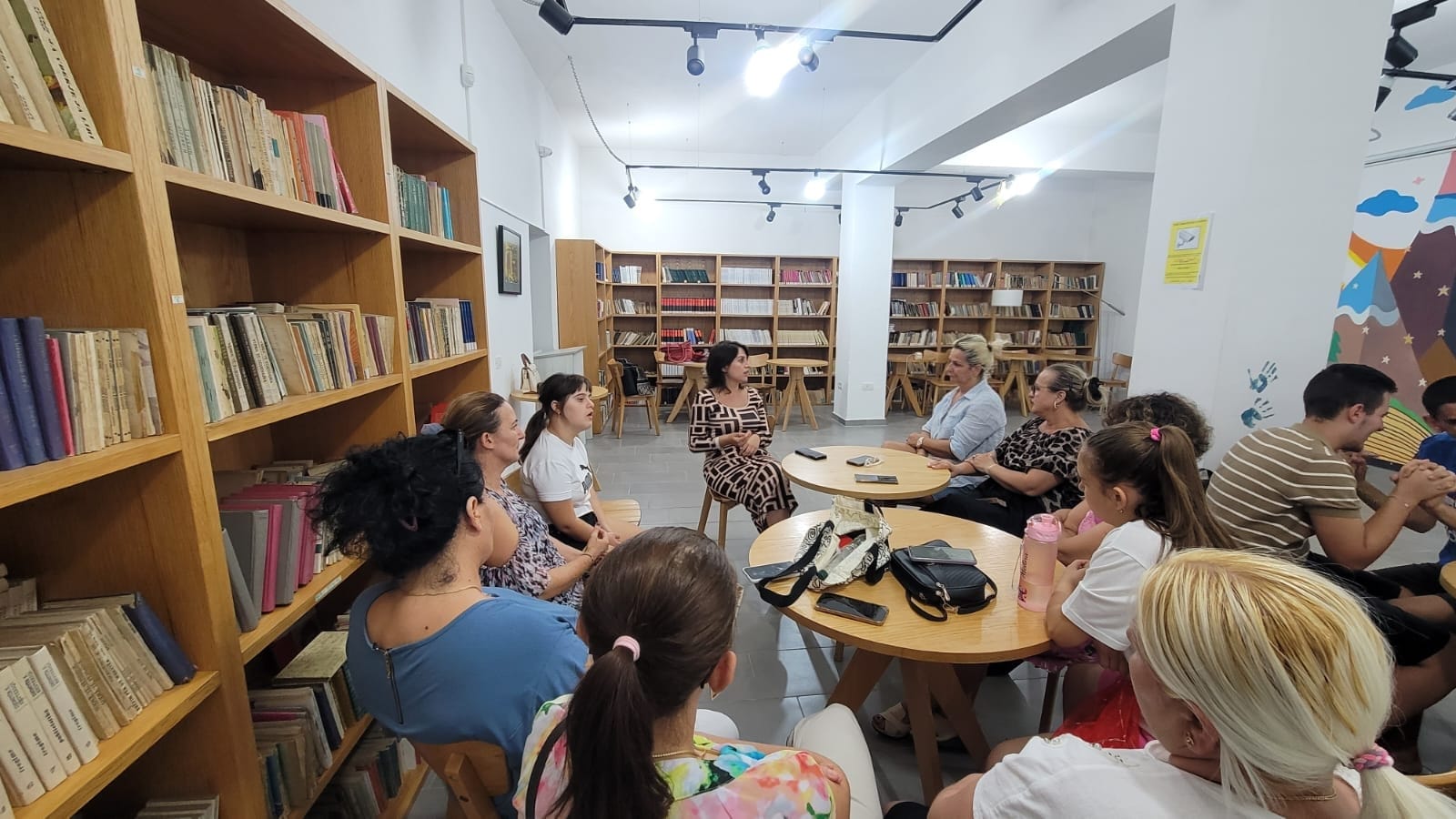
On April 12, 2025, we held an online focus group within the framework of the ACCESS+ EU project, funded by the European Union.

It was a particular pleasure to have with us wonderful parents and their beloved children with disabilities.

During the focus group, we discussed topics such as:

🔸 The aim of the ACCESS+ EU project and the future activities we will develop.
🔸 The daily challenges faced by parents.
🔸 The difficulties experienced by children with disabilities.
🔸 Possible solutions for better integration of children into society and their inclusion in European projects.

We thank all the parents and children who dedicated their valuable time to be part of this focus group and for sharing with us their stories and challenges.

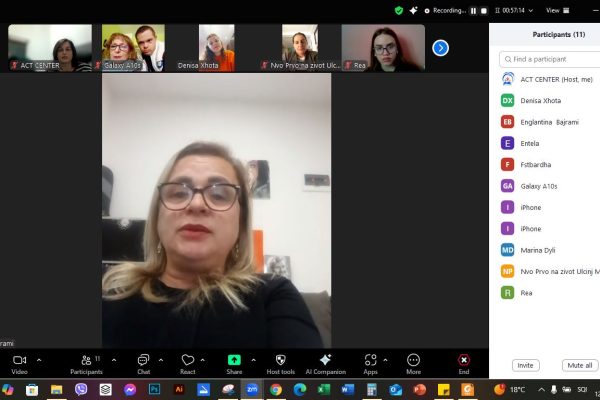
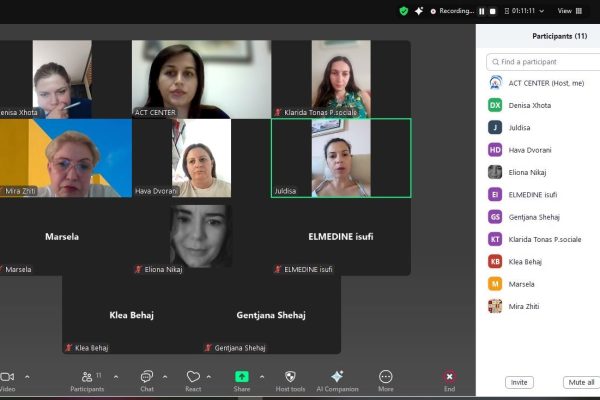
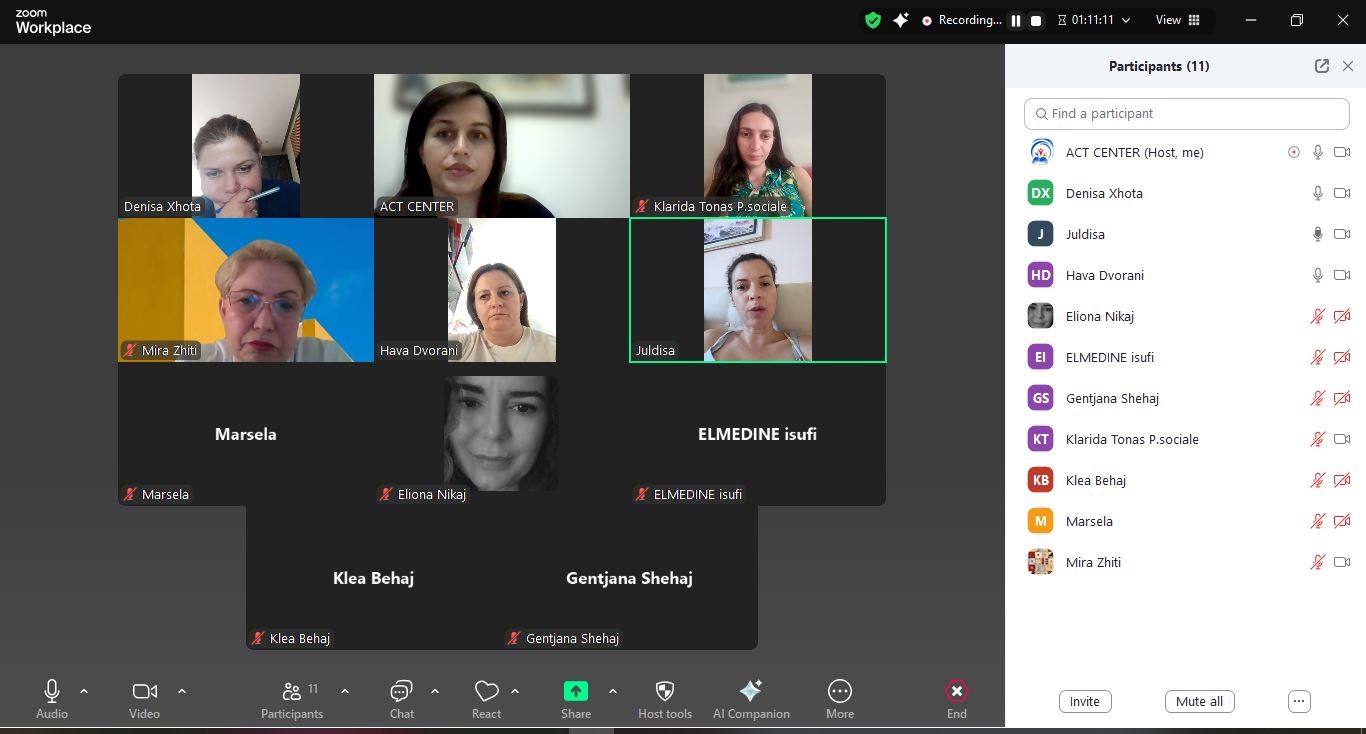
 On June 23, 2025, we held an online focus group via Zoom! This important session brought together professionals working directly with young people with disabilities, as part of the ACCESS+ EU project, supported by the European Union!

During the meeting, we had a crucial exchange of ideas on:

The daily challenges and difficulties faced by professionals in their work with young people with disabilities.
Finding solutions to address current challenges and improve support.
The vital importance of the full integration and inclusion of young people with disabilities in society and in the opportunities offered by EU-funded projects.

A heartfelt thank you to all the engaged participants who shared their experiences, knowledge, and valuable time with us.

Technical Visits

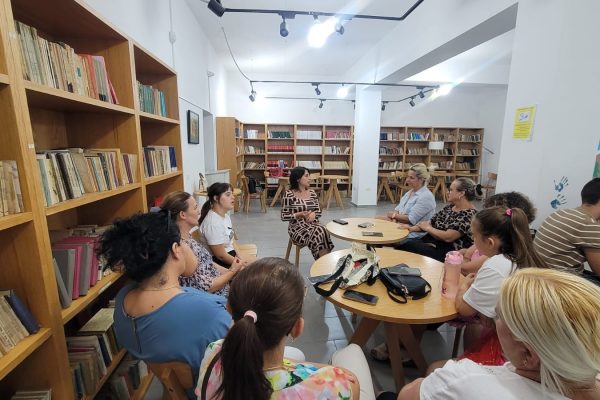
The ACT Center had an inspiring technical visit to the Autizmi Flet (Autism Speaks) organization on September 16, 2025, as part of the EU-funded project, ACCESS+ EU. During this meeting, we got a closer look at the fantastic work that Autizmi Flet has been doing for years, brightening the world of children with Autism Spectrum Disorder (ASD) through art, culture, and sports.

Some of the activities they have organized include:

✔️ “A Spark in the Darkness” with Aurela Gaçe.
✔️ The Work Exhibition on the occasion of the International Day of Persons with Disabilities.
✔️ The First National Festival of Persons with Disabilities, “Sounds of December.”
✔️ Collaboration with Ardit Gjebrea on “Kënga Magjike” (Magic Song).

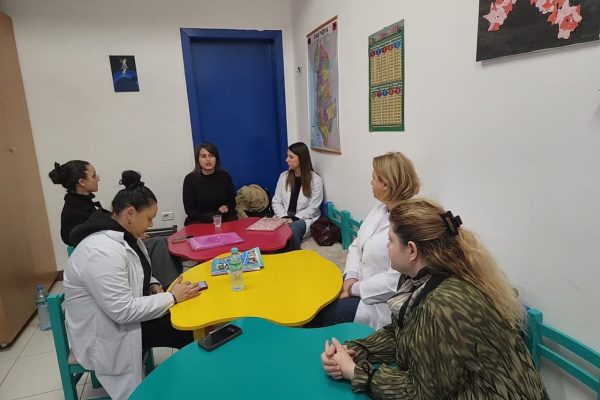
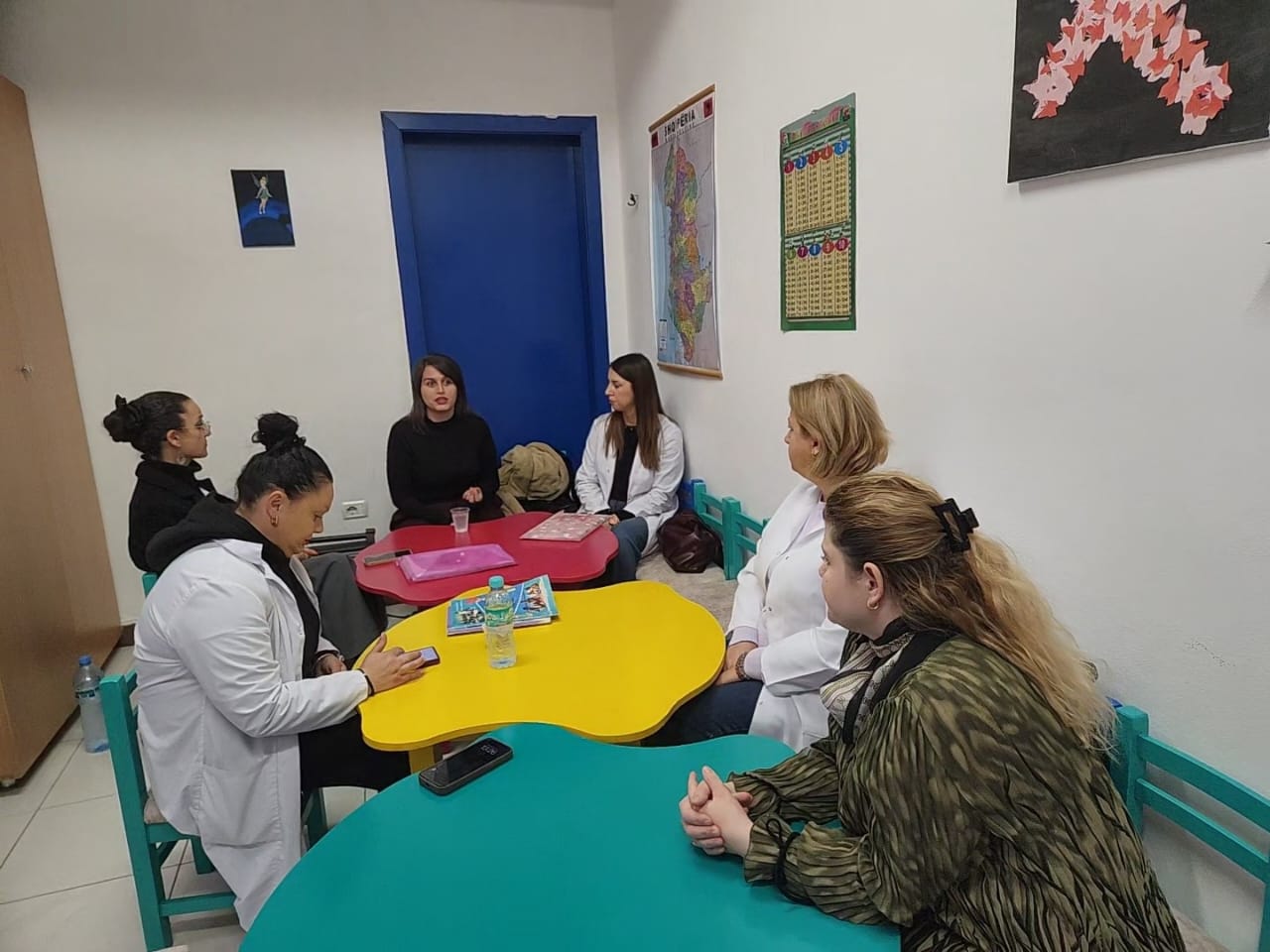
On November 21, 2025, we conducted a technical visit focused on the Psycho-Social Service at the “Kolë Jakova” 9-Year School. This activity was successfully carried out within the framework of our ACCESS+EU project. Present at this visit were: Social Worker, Psychologist, Supporting Teacher

The participants were introduced to the details of the ACCESS+EU project and the plan of activities to be carried out during 2026!

Within the scope of this technical visit, we gained a full overview of the challenges that these professionals encounter while working with children with disabilities and in case management

This technical visit was essential for strengthening cooperation and addressing real needs on the ground. A big thank you to the staff of “Kolë Jakova” for sharing their valuable experiences! And a special thank you to Denisa and Alba for successfully enabling this technical visit!

Training of Trainers in Bologna, Italy

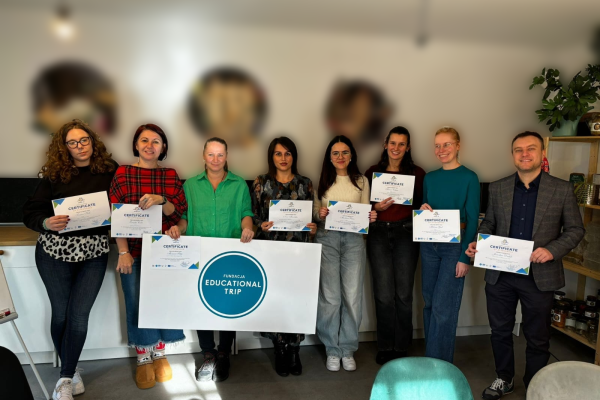
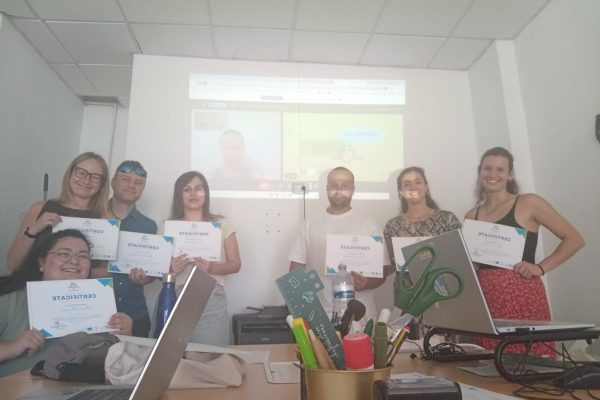
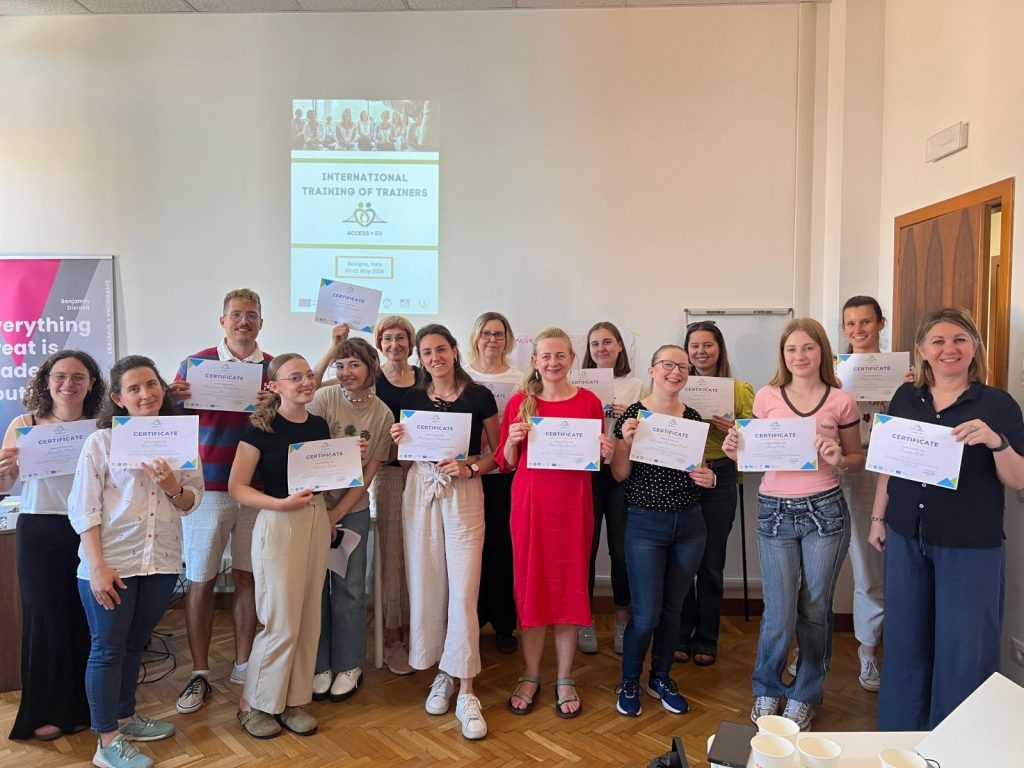
From 19–23 May 2026, participants gathered in Bologna, Italy for the Training of Trainers (ToT) activity developed within the framework of the ACCESS+ EU Project. The training included a series of interactive and engaging sessions, some of which were developed and delivered by our trainer Lira Hakani, contributing her expertise and experience in inclusive youth work and non-formal education.
Participants strengthened their facilitation skills, exchanged good practices, and explored innovative approaches to fostering inclusion and accessibility in youth work.

This activity was developed within the framework of the ACCESS+ EU Project and is funded by the European Union.

Access+EU Handbook

How can we make Erasmus+ youth projects more accessible, inclusive, and better adapted to the needs of young people with disabilities?

The Access+EU Handbook is a practical resource designed to help organisations and professionals move from good intentions about inclusion to concrete, well-planned, and responsible actions.

The Handbook provides guidance on:
✅ inclusive planning of projects and mobility activities;
✅ identifying and reducing barriers to participation;
✅ adapting support according to individual needs;
✅ inclusive communication, mentoring, and facilitation;
✅ respecting participants’ autonomy, preferences, and rights.

Who is this Handbook for?
Youth workers, trainers, facilitators, mentors, Erasmus+ coordinators, youth organisations, educators, disability professionals, personal assistants, family members, stakeholders, and decision-makers.

At the heart of the Handbook are young people with disabilities – their voices, choices, autonomy, and lived experiences.

Because inclusion does not simply mean opening the door to participation. It means making sure that every young person has a genuine opportunity to participate equally and meaningfully.

The Access+EU Handbook is available online and can be downloaded free of charge.

NEWSLETTERS

Here you can find the four newsletters developed throughout the ACCESS+EU project, covering the project journey from its launch to its successful completion.

The newsletters provide an overview of the main project developments, activities, meetings, training opportunities, resources, achievements, and key results produced during the implementation of ACCESS+EU.

Through these four editions, you can follow the progress of the project step by step — from the first activities and cooperation among partners to the final outcomes and resources developed to promote more accessible and inclusive opportunities for young people with disabilities.

Explore and download the four ACCESS+EU Newsletters below to discover the full journey of the project from beginning to completion.

ARTICLES

Inclusive mobility is not about providing special treatment. It is about creating equal conditions for participation.

Through the ACCESS+EU project, we continue to promote an approach that shifts the focus away from the person’s disability and towards the barriers that can be changed and removed.

Because every young person should have the opportunity to participate, learn, communicate, build relationships and develop their potential on an equal basis. 💙

Here you will find our article on inclusive mobility and the importance of removing barriers to ensure equal participation for young people with disabilities.

keyboard_arrow_up